
DESCRIPTION
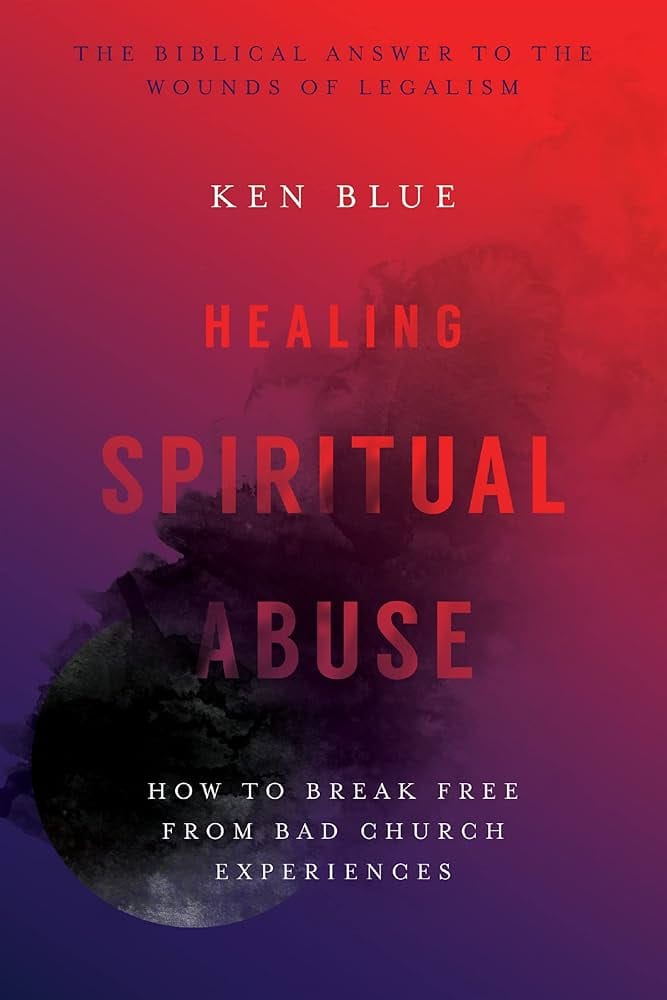
Asserting that spiritual abuse in the church is more common than we realize, Ken Blue examines the causes of spiritual abuse, identifies abusive patterns, offers healing to those who have suffered abuse and describes how leaders should model the gospel of grace.
My Summary
Main Ideas, Takeaways & Similarities
Questions
I. What is the problem?
A. How is this problem formulated?
B. Why is this problem important?
C. What is the history of this problem?
D. Which prominent personalities have been interested in this problem?
II. What solutions to the problem are there?
A. What are the conclusions reached?
B. By what argument(s) is the conclusion reached?
C. What facts or assumptions serve as premises?
D. When a prominent personality offers a solution, does he also argue for or against other prominent personalities? Does he raise objections to alternative solutions? Does he consider objections to his own solutions?
III. Evaluation
A. What are the advantages and disadvantages of the alternative formulations to the problem?
B. Has the importance or history of the problem ever been misrepresented?
C. Are the solutions logically related to the premises?
D. Are the facts true? Are the assumptions acceptable? Are the objections answerable?
AI Summary
Highlights
“Healing Spiritual Abuse: How to Break Free from Bad Church Experiences” by Ken Blue is a book that addresses the issue of spiritual abuse within religious institutions. Here is a summary in bullet points:
- Title: Healing Spiritual Abuse: How to Break Free from Bad Church Experiences
- Author: Ken Blue
Introduction:
- Explores the concept of spiritual abuse within the context of religious communities.
- Defines spiritual abuse as the misuse of religious authority or power to manipulate and control individuals.
Chapter 1: Recognizing Spiritual Abuse:
- Discusses the signs and symptoms of spiritual abuse, including authoritarian leadership, manipulation, and emotional manipulation.
- Highlights the negative impact of spiritual abuse on individuals’ faith and well-being.
Chapter 2: Understanding the Dynamics:
- Explores the dynamics of spiritual abuse, such as the use of guilt, fear, and shame to control members.
- Discusses the role of abusive leaders in fostering a culture of compliance and silence.
Chapter 3: Breaking Free:
- Offers guidance on how to break free from spiritual abuse and its effects.
- Encourages individuals to seek support from trusted friends, family, or therapists.
- Discusses the importance of setting boundaries and reclaiming one’s spiritual journey.
Chapter 4: Reclaiming Your Faith:
- Explores the process of reclaiming one’s faith and spirituality after experiencing spiritual abuse.
- Encourages individuals to explore their beliefs and develop a healthy relationship with their faith.
- Provides resources for spiritual growth and healing.
Chapter 5: Finding Healthy Spiritual Communities:
- Discusses the importance of finding and participating in healthy spiritual communities.
- Offers guidance on evaluating churches and religious groups to ensure they promote healing and growth.
- Encourages individuals to seek out supportive and non-abusive religious environments.
Chapter 6: Moving Forward:
- Emphasizes the importance of forgiveness and letting go of bitterness.
- Discusses the potential for personal growth and transformation through the healing process.
- Encourages individuals to use their experiences to help others and promote awareness of spiritual abuse.
Conclusion:
- Summarizes the key principles and advice presented in the book.
- Encourages individuals who have experienced spiritual abuse to seek healing and support.
- Emphasizes the possibility of finding spiritual fulfillment and growth after overcoming the effects of spiritual abuse.