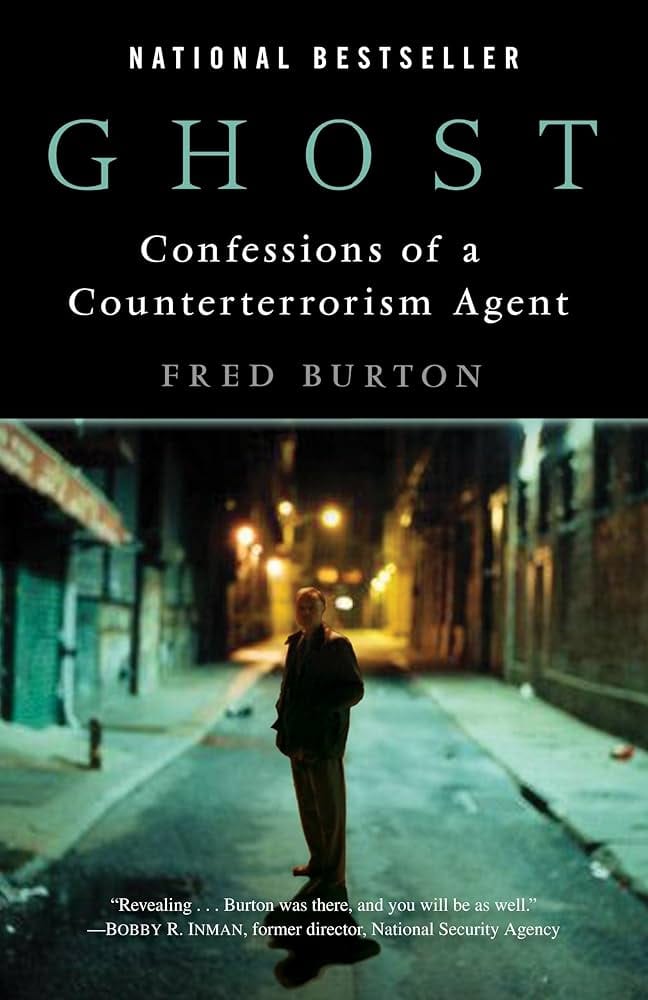

DESCRIPTION
This hard-hitting narrative by one of America’s most seasoned and accomplished counterterrorism professionals gives readers an exclusive look at the frontlines of America’s War on Terror.
The pre-9/11 attack sequence
September 11 Attacks - Origins, Plot, and Aftermath places the 1998 U.S. embassy bombings in Kenya and Tanzania within al-Qaeda’s development before the 2000 USS Cole attack and the 2001 planes operation. Burton’s diplomatic-security perspective helps illuminate the embassy threat; use the linked 9/11 Commission account to check the broader chronology.
My Summary
Main Ideas, Takeaways & Similarities
Questions
I. What is the problem?
A. How is this problem formulated?
B. Why is this problem important?
C. What is the history of this problem?
D. Which prominent personalities have been interested in this problem?
II. What solutions to the problem are there?
A. What are the conclusions reached?
B. By what argument(s) is the conclusion reached?
C. What facts or assumptions serve as premises?
D. When a prominent personality offers a solution, does he also argue for or against other prominent personalities? Does he raise objections to alternative solutions? Does he consider objections to his own solutions?
III. Evaluation
A. What are the advantages and disadvantages of the alternative formulations to the problem?
B. Has the importance or history of the problem ever been misrepresented?
C. Are the solutions logically related to the premises?
D. Are the facts true? Are the assumptions acceptable? Are the objections answerable?
AI Summary
Highlights
“Ghost: Confessions of a Counterterrorism Agent” is a book written by Fred Burton and Samuel M. Katz, published in 2008. The book provides a firsthand account of the life and experiences of a counterterrorism agent working for the U.S. State Department. Here is a comprehensive summary of the book in bullet points:
- The book is a memoir by Fred Burton, a former counterterrorism agent with the U.S. State Department’s Diplomatic Security Service (DSS).
- Burton provides a candid and personal account of his career in counterterrorism, spanning over three decades.
- He discusses his early experiences as a police officer and investigator, which eventually led him to join the DSS.
- The book explores the role of the DSS in protecting U.S. diplomats and embassies abroad and its involvement in counterterrorism efforts.
- Burton shares insights into the challenges of conducting counterterrorism operations in various parts of the world, including the Middle East.
- He provides firsthand accounts of high-profile terrorist incidents, such as the 1998 U.S. Embassy bombings in Kenya and Tanzania.
- The book delves into the tactics and strategies used by terrorist organizations and the efforts to track down and apprehend terrorists.
- Burton discusses the importance of intelligence sharing and collaboration with other agencies, both domestic and international.
- He reflects on the personal toll that a career in counterterrorism can take, including the strain on family life and the emotional impact of witnessing acts of terrorism.
- The book addresses the complexities of diplomatic security and the constant threat assessment required to protect U.S. interests abroad.
- Burton shares stories of the individuals he worked with, including fellow agents, diplomats, and informants, highlighting the camaraderie and dedication of those in the field.
- He discusses the evolution of counterterrorism strategies and the changing nature of the terrorist threat over the years.
- The book reflects on the lessons learned from past terrorist attacks and the ongoing challenges of preventing future threats.
- Burton emphasizes the importance of vigilance and preparedness in the face of terrorism and the dedication of those who work tirelessly to keep the nation safe.
“Ghost: Confessions of a Counterterrorism Agent” provides readers with a firsthand and personal perspective on the world of counterterrorism. Fred Burton’s memoir offers insights into the challenges and sacrifices faced by those who work to protect U.S. interests and combat terrorism. It sheds light on the ever-evolving nature of the terrorist threat and the dedication of individuals in the field of diplomatic security and counterterrorism.