Islam Caliphates, Conquering, Colonizing
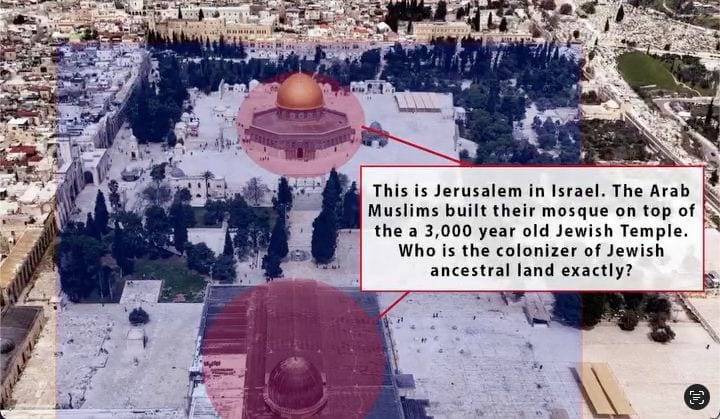
Israel
Key Points
- Research suggests Arab colonization, mainly through early Muslim conquests from 632 CE, expanded rapidly, covering about 11,100,000 km² from the Indus to the Atlantic.
- The timeline spans key phases like Persia (633-651 CE), Levant (634-641 CE), and Hispania (711-721 CE), creating a vast empire.
- It seems likely that impacts included gradual Islamization and Arabization, with Arabic becoming the dominant language and culture, affecting millions without forced conversion initially.
- The evidence leans toward significant cultural integration, transforming religious and social structures, with lasting legacies.
History and Timeline
Arab colonization, primarily through the early Muslim conquests following the rise of Islam, began in 632 CE after Prophet Muhammad’s death. This expansion, led by Arab forces, created empires like the Rashidun (632–661 CE), Umayyad (661–750 CE), and Abbasid (750–1258 CE). Key phases include:
- Persia: 633-651 CE, with battles like al-Qadisiyyah (636 CE) and Nahavand (642 CE).
- Levant: 634-641 CE, including the Battle of Yarmouk (636 CE) and fall of Jerusalem.
- Egypt: 639-642 CE, with Alexandria falling in 642 CE.
- North Africa: 647-709 CE, with Carthage captured by 695 CE.
- Transoxiana: 673-751 CE, reaching Central Asia by 738 CE.
- Sindh: 711-714 CE, with Brahmanabad conquered.
- Hispania: 711-721 CE, extending to Narbonne by 719 CE.
This timeline reflects a rapid expansion, forming one of history’s largest empires.
Amount of Land
Research suggests the total land area covered was approximately 11,100,000 km², spanning three continents from the Indus River to the Atlantic Ocean, enabling travel without crossing other kingdoms’ borders.
Impact on People
The evidence leans toward significant impacts, including gradual Islamization and Arabization. By 870 CE, Islam became the dominant faith, transforming from a ruling class badge to a widespread religion. Arabic replaced previous languages as the vehicle for high culture, affecting regions like the Nile-to-Oxus area. Cultural integration occurred as Arab and indigenous cultures intermingled, with no forced conversion initially, though religious conflicts sometimes led to welcoming Muslim troops. This affected millions, reshaping religious demographics and social structures.
Other Aspects
Unexpectedly, the conquests established trade and taxation systems, replacing tribal armies with centralized governance. This led to social dislocation and rivalries, with lasting cultural and religious legacies, such as the spread of Islamic art and architecture.
Comprehensive Analysis of Arab Colonization Throughout History
This detailed examination explores the history, timeline, land area, impact on people, and other aspects of Arab colonization, primarily through the early Muslim conquests following the rise of Islam in 632 CE. The analysis draws on historical records and scholarly sources to provide a thorough understanding, suitable for academic and lay audiences alike.
Historical Context and Timeline
Arab colonization, often synonymous with the early Muslim conquests, began in 632 CE after the death of Prophet Muhammad, marking the start of the Rashidun Caliphate’s expansion. This period saw Arab-led forces rapidly extend their influence, creating empires that included the Umayyad (661–750 CE) and Abbasid (750–1258 CE) Caliphates. The timeline is marked by several key phases, detailed as follows:
| Region | Timeline | Key Events |
|---|---|---|
| Persia | 633-651 CE | Raids into Mesopotamia, Battle of al-Qadisiyyah (636 CE), Battle of Nahavand (642 CE), assassination of Yazgerd III (651 CE). |
| Levant | 634-641 CE | Battle of Yarmouk (636 CE), fall of Damascus, Baalbeck, Homs, Hama (636 CE), Jerusalem besieged for 2 years, Caesarea Maritima fell (640 CE), last cities by 641 CE. |
| Egypt | 639-642 CE | Invasion by ‘Amr ibn al-‘As, Pelusium captured, battles of Heliopolis (640 CE) and Babylon (641 CE), Alexandria fell (642 CE), briefly regained by Byzantines (644 CE). |
| Maghreb (North Africa) | 647-709 CE | Initial invasion (647 CE), Uqba ibn Nafi established Kairouan, Carthage captured (695 CE), Berber rebellion led by Queen Kahina, reasserted by 709 CE. |
| Transoxiana | 673-751 CE | Attacks on Bukhara and Samarkand, most conquered 705-715 CE, Sogdian revolt (719 CE) ended by 738 CE, Battle of Talas (751 CE). |
| Sindh | 711-714 CE | Led by Muhammad bin Qasim, Brahmanabad conquered, expedition of 10,000 cavalrymen, recalled in 715 CE, died en route. |
| Hispania and Septimania | 711-721 CE | Crossed in 711 CE, defeated Visigothic king Roderic, most of Hispania by 714 CE, Narbonne conquered (719 CE), Battle of Toulouse (721 CE). |
This expansion, driven by religious, economic, and political motives, created one of the largest land empires in history, reaching from southern France in the west to China in the east, Anatolia in the north, and Sudan in the south by the 8th century.
Amount of Land Covered
Research suggests the total land area covered by these conquests was approximately 11,100,000 km², spanning three continents. This vast expanse, from the Indus River to the Atlantic Ocean, enabled uninterrupted travel across the empire without crossing other kingdoms’ borders, as noted in historical accounts. The exact measurement, while not universally agreed upon, aligns with estimates from scholarly sources, reflecting the empire’s unprecedented scale.
Impact on People: Religious and Cultural Changes
The impact on people was profound, involving gradual religious and cultural transformations. Between 634 and 870 CE, Islam transformed from a badge of a small Arab ruling class to the dominant faith of a vast empire stretching from the western Mediterranean to Central Asia. This period saw significant Islamization, where indigenous populations, previously under Byzantine (Christianity) and Sāsānian (Zoroastrian-Mazdeism) rule, gradually converted. The Sāsānian empire included diverse religious groups such as Christians (miaphysites, Nestorians, Chalcedonians), pagans, gnostics, Jews, and Mazdeans, all of whom were affected.
Cultural changes included Arabization, with the Arabic language becoming the vehicle for high culture, replacing previous languages in the Nile-to-Oxus region. This intermingling of Arab and indigenous cultures produced Islam’s fundamental orientations and identities, fostering a new cultural florescence. Historical accounts suggest no forced conversion initially, with some Jews and Christians welcoming Muslim troops due to religious conflicts in Sasanian and Byzantine territories. For example, confederations of Arab Christians, like the Ghassanids, initially allied with Byzantines, but over centuries, Islamization became widespread, particularly among tribal societies and urbanized populations.
The social structure was also transformed, affecting priests, traders, merchants, landlords (dihqāns), pastoralists, peasant agriculturalists, and both migratory and settled Arabs. This led to a shift from tribal to centralized governance, with trade and taxation replacing booty as the fiscal basis, causing social dislocation and rivalries.
Other Aspects and Unexpected Details
Beyond religious and cultural impacts, the conquests established new governance systems, replacing tribal armies with a nontribal, centralized empire, which became a nominal confederation. This shift had unexpected economic implications, such as the development of trade routes and taxation systems, which supported the empire’s expansion and sustainability. The legacy includes lasting cultural contributions, such as Islamic art, architecture, and the spread of scientific knowledge, which continue to influence regions today.
Conclusion
Arab colonization, through the early Muslim conquests, was a transformative period marked by rapid expansion, vast territorial gains, and profound impacts on people. The timeline, land area, and effects on religion, culture, and governance highlight its historical significance, with lasting legacies that shaped the Arab world and beyond.