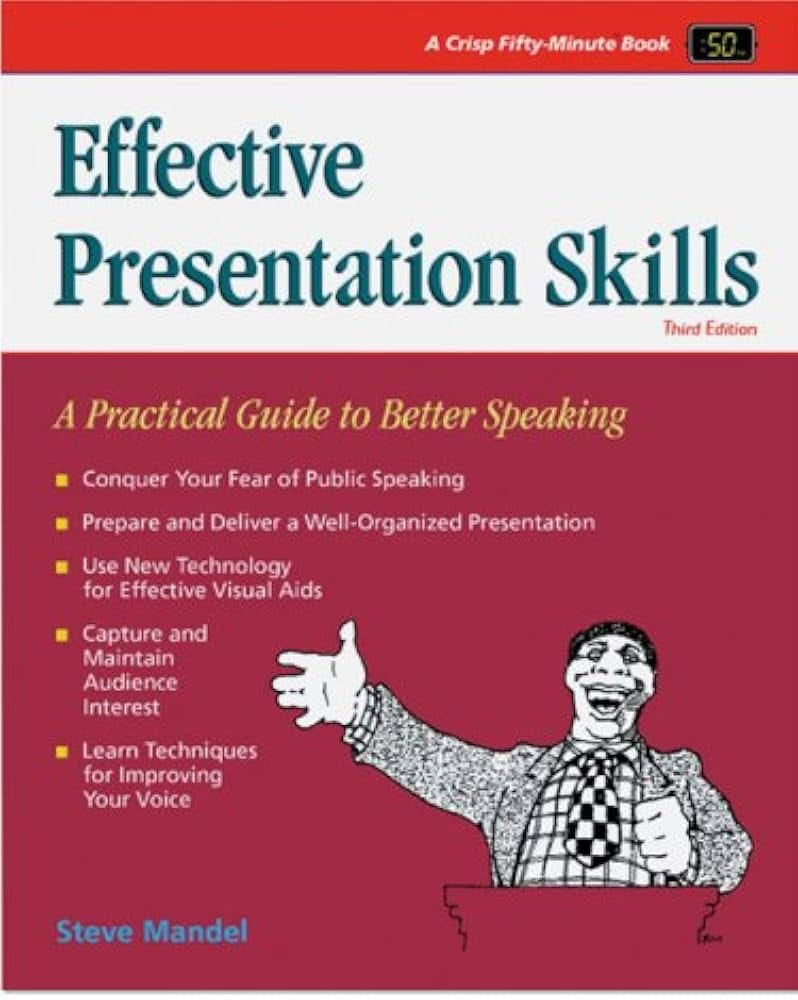

DESCRIPTION
Readers will learn tips for reducing anxiety, eight steps to better organization, how to analyze their audience, and ten tips for planning successful visual aids.
My Summary
Main Ideas, Takeaways & Similarities
Questions
I. What is the problem?
A. How is this problem formulated?
B. Why is this problem important?
C. What is the history of this problem?
D. Which prominent personalities have been interested in this problem?
II. What solutions to the problem are there?
A. What are the conclusions reached?
B. By what argument(s) is the conclusion reached?
C. What facts or assumptions serve as premises?
D. When a prominent personality offers a solution, does he also argue for or against other prominent personalities? Does he raise objections to alternative solutions? Does he consider objections to his own solutions?
III. Evaluation
A. What are the advantages and disadvantages of the alternative formulations to the problem?
B. Has the importance or history of the problem ever been misrepresented?
C. Are the solutions logically related to the premises?
D. Are the facts true? Are the assumptions acceptable? Are the objections answerable?
AI Summary
“Effective Presentation Skills” by Robert B. Dilts is a guide to improving public speaking and presentation abilities. It offers strategies and techniques for delivering engaging and impactful presentations. Here is a comprehensive summary in bullet points:
- Title: Effective Presentation Skills
- Author: Robert B. Dilts
Introduction:
- Introduces the importance of effective presentation skills in various contexts, including business, education, and public speaking.
- Highlights the role of communication and persuasion in presentations.
Chapter 1: The Structure of Effective Presentations:
- Discusses the fundamental structure of presentations, including the introduction, body, and conclusion.
- Emphasizes the need for a clear and logical flow of ideas.
Chapter 2: Understanding Your Audience:
- Explains the importance of understanding the audience’s needs, expectations, and interests.
- Discusses techniques for tailoring presentations to different audience types.
Chapter 3: Planning and Preparation:
- Provides a systematic approach to planning and preparing presentations.
- Discusses the selection of content, organizing ideas, and creating visual aids.
Chapter 4: Visual Communication:
- Explores the use of visual aids, such as slides and graphics, to enhance presentations.
- Discusses principles of effective visual design and readability.
Chapter 5: Delivery Skills:
- Offers techniques for improving delivery skills, including voice modulation, body language, and eye contact.
- Discusses strategies for overcoming nervousness and stage fright.
Chapter 6: Handling Questions and Interactions:
- Provides guidance on handling questions and audience interactions during and after presentations.
- Discusses techniques for addressing challenging or unexpected questions.
Chapter 7: Persuasion and Influence:
- Explores the art of persuasion and influence in presentations.
- Discusses techniques for making a compelling case and inspiring action.
Chapter 8: Technology and Virtual Presentations:
- Addresses the use of technology in modern presentations, including virtual and online platforms.
- Discusses best practices for engaging remote audiences.
Chapter 9: Specialized Presentation Situations:
- Covers specialized presentation situations, such as team presentations, panel discussions, and sales pitches.
- Provides tips for success in each context.
Chapter 10: Feedback and Continuous Improvement:
- Emphasizes the importance of seeking feedback and self-evaluation for continuous improvement.
- Discusses ways to refine presentation skills over time.
Conclusion:
- Summarizes the key principles and techniques for effective presentations.
- Encourages ongoing practice and development of presentation skills.
Legacy:
- “Effective Presentation Skills” is a practical guide for individuals looking to enhance their public speaking and presentation abilities.
- Robert B. Dilts provides actionable strategies and insights for creating engaging and persuasive presentations.
- The book serves as a valuable resource for professionals, educators, and anyone seeking to improve their communication and presentation skills.