⬅️ Hub: Psychology Books (MOC) · Parent: 60.21 Psychology
DESCRIPTION
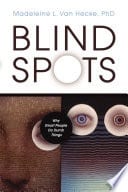
Psychologist Van Hecke argues that much of what we label stupidity can better be explained as blind spots. Full of funny, poignant stories about human foibles, “Blind Spots” offers many insights for improving our social and political lives.
My Summary
Main Ideas, Takeaways & Similarities
Questions
I. What is the problem?
A. How is this problem formulated?
B. Why is this problem important?
C. What is the history of this problem?
D. Which prominent personalities have been interested in this problem?
II. What solutions to the problem are there?
A. What are the conclusions reached?
B. By what argument(s) is the conclusion reached?
C. What facts or assumptions serve as premises?
D. When a prominent personality offers a solution, does he also argue for or against other prominent personalities? Does he raise objections to alternative solutions? Does he consider objections to his own solutions?
III. Evaluation
A. What are the advantages and disadvantages of the alternative formulations to the problem?
B. Has the importance or history of the problem ever been misrepresented?
C. Are the solutions logically related to the premises?
D. Are the facts true? Are the assumptions acceptable? Are the objections answerable?
AI Summary
“Blind Spots: Why Smart People Do Dumb Things” is a book written by Madeleine L. Van Hecke, published in 2007. The book explores the psychological phenomenon of blind spots, where intelligent individuals make irrational or unwise decisions despite their competence. Here is a comprehensive summary of the book in bullet points:
- The book investigates the concept of “blind spots,” which are cognitive biases and limitations in thinking that can lead intelligent individuals to make poor decisions.
- Madeleine L. Van Hecke emphasizes that blind spots are not related to a lack of intelligence but rather to the inherent quirks and biases in human cognition.
- She explores various psychological factors that contribute to blind spots, including confirmation bias, overconfidence, and the influence of emotions.
- Van Hecke discusses the impact of blind spots in everyday life, from personal relationships to professional decision-making.
- The book provides real-world examples and case studies to illustrate how blind spots can affect people in different domains, such as finance, healthcare, and leadership.
- Van Hecke explores the role of cognitive dissonance in reinforcing blind spots and the challenges individuals face when confronted with information that contradicts their beliefs.
- She discusses the importance of self-awareness and critical thinking in identifying and mitigating blind spots.
- The book offers practical strategies and techniques for recognizing and addressing blind spots, including seeking diverse perspectives and avoiding groupthink.
- Van Hecke emphasizes the value of humility and a willingness to admit mistakes as important steps in overcoming blind spots.
- She provides insights into how organizations can create a culture that encourages open dialogue and constructive feedback to minimize blind spots.
- The book touches on the role of ethics and moral reasoning in decision-making and the potential for blind spots to lead to unethical behavior.
- Van Hecke concludes by highlighting the importance of ongoing self-reflection and a commitment to continuous learning as ways to mitigate blind spots.
“Blind Spots: Why Smart People Do Dumb Things” offers a thought-provoking exploration of the cognitive biases and limitations that can affect even highly intelligent individuals. Madeleine L. Van Hecke’s book provides practical insights into recognizing and addressing blind spots in various aspects of life, promoting self-awareness, and fostering more rational decision-making.