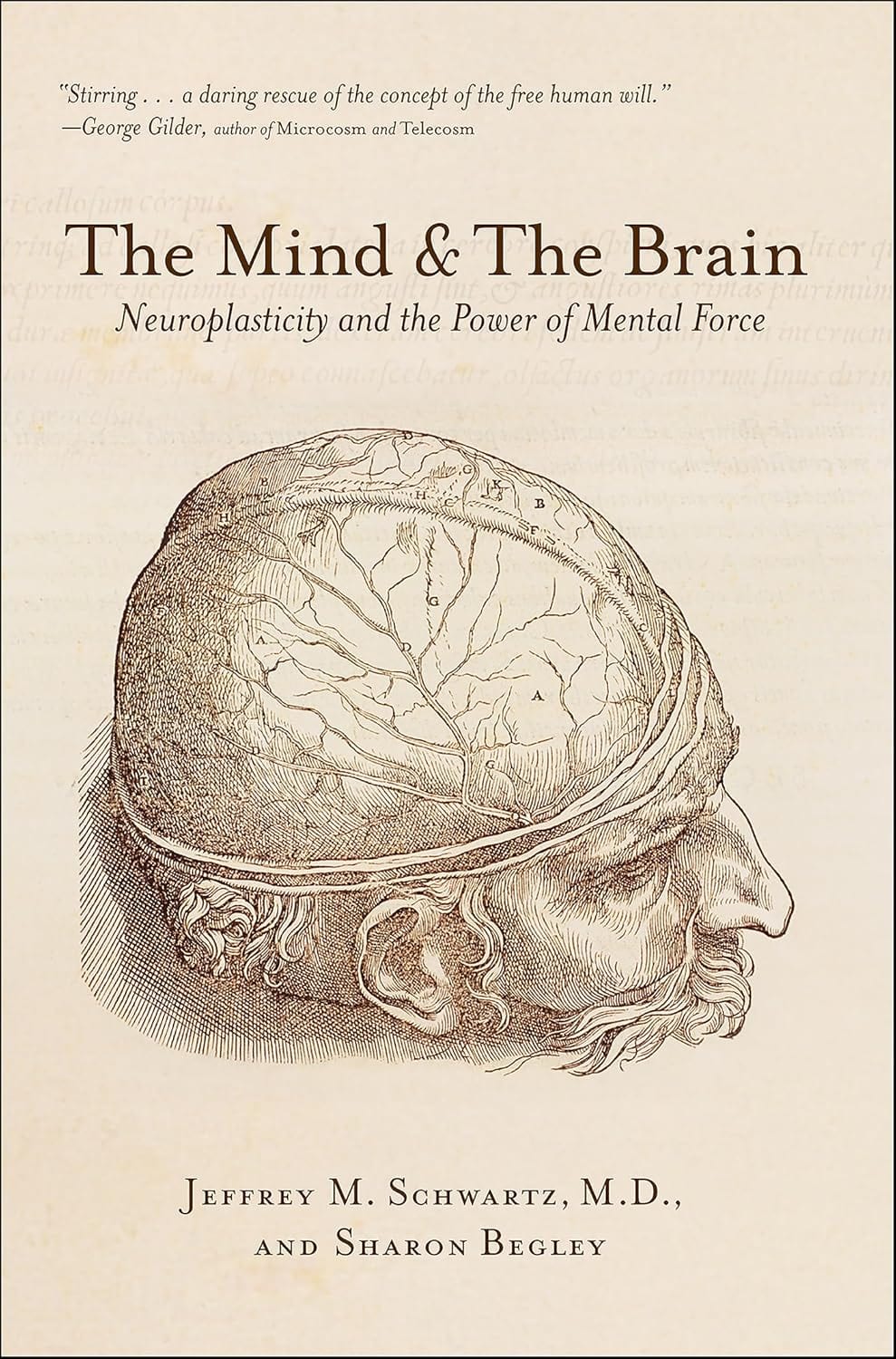
⬅️ Hub: Psychology Books (MOC) · Parent: 60.21 Psychology

DESCRIPTION
My Summary
Main Ideas, Takeaways & Similarities
Questions
I. What is the problem?
A. How is this problem formulated?
B. Why is this problem important?
C. What is the history of this problem?
D. Which prominent personalities have been interested in this problem?
II. What solutions to the problem are there?
A. What are the conclusions reached?
B. By what argument(s) is the conclusion reached?
C. What facts or assumptions serve as premises?
D. When a prominent personality offers a solution, does he also argue for or against other prominent personalities? Does he raise objections to alternative solutions? Does he consider objections to his own solutions?
III. Evaluation
A. What are the advantages and disadvantages of the alternative formulations to the problem?
B. Has the importance or history of the problem ever been misrepresented?
C. Are the solutions logically related to the premises?
D. Are the facts true? Are the assumptions acceptable? Are the objections answerable?
AI Summary
Highlights
“The Mind and the Brain: Neuroplasticity and the Power of Mental Force” by Jeffrey M. Schwartz and Sharon Begley is a book that explores the concept of neuroplasticity and how the mind can influence and change the brain. Here is a comprehensive summary in bullet points:
- Title: The Mind and the Brain: Neuroplasticity and the Power of Mental Force
- Authors: Jeffrey M. Schwartz and Sharon Begley
Introduction:
- Introduces the concept of neuroplasticity, the brain’s ability to change and adapt.
- Raises the question of whether the mind can influence neuroplasticity and bring about positive changes.
Chapter 1: The Cartesian Theater:
- Discusses the traditional view of the mind as a passive observer of the brain’s processes.
- Introduces the concept of the “Cartesian Theater” as a metaphor for this perspective.
Chapter 2: Where Is the Mind? And Why?:
- Explores the question of where the mind resides within the brain.
- Discusses the historical debates about the relationship between the mind and the brain.
Chapter 3: Is the Brain “Built to Change”?:
- Examines the evidence for neuroplasticity, particularly in response to learning and experience.
- Introduces the idea that the brain is “built to change.”
Chapter 4: Rewiring the Brain:
- Discusses the research on neuroplasticity and how the brain can rewire itself.
- Highlights studies on brain changes in response to training and mental exercises.
Chapter 5: Obsessions and Compulsions: A New Paradigm:
- Introduces Dr. Jeffrey Schwartz’s work on obsessive-compulsive disorder (OCD).
- Describes the Four Steps method for managing OCD and how it involves changing the brain through conscious effort.
Chapter 6: The Journey into Self:
- Chronicles the experiences of patients with OCD who have undergone therapy based on the Four Steps method.
- Discusses the transformational power of conscious mental effort on the brain.
Chapter 7: Mind over Brain:
- Examines the idea that the mind can exert control over the brain and reshape neural pathways.
- Discusses the implications of this concept for mental health and well-being.
Chapter 8: The Biology of Belief:
- Explores the role of belief and intention in influencing brain function.
- Discusses research on the placebo effect and the impact of belief on health outcomes.
Chapter 9: The Mind and the Brain:
- Summarizes the key themes of the book.
- Emphasizes the idea that the mind can shape the brain and influence its functions through conscious mental effort.
Conclusion:
- Discusses the broader implications of the book’s ideas for fields like psychology, medicine, and self-improvement.
- Encourages readers to consider the power of their minds in promoting positive changes in their lives.
Legacy:
- “The Mind and the Brain” by Jeffrey M. Schwartz and Sharon Begley has contributed to the understanding of neuroplasticity and the role of the mind in reshaping the brain.
- It has sparked discussions about the potential for conscious mental effort to bring about positive changes in mental health and well-being.
- The book continues to influence the fields of neuroscience and psychology, highlighting the interplay between the mind and the brain.