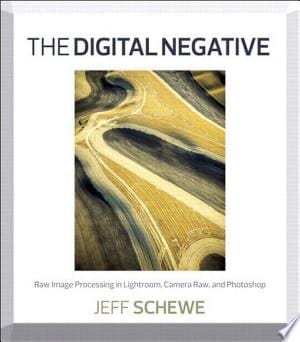
DESCRIPTION
Shooting in the raw format gives digital photographers complete control over every aspect of image quality. The Digital Negative: Raw Image Processing in Lightroom, Camera Raw, and Photoshop is devoted exclusively to the topic and shows you how to make the most of that control. Now that raw image processing technology has matured as an essential aspect of digital photography, you need a modern book that takes a seasoned approach to the technology and explains the advantages and challenges of using Lightroom or Camera Raw to produce magnificent images. Renowned photographer and bestselling author Jeff Schewe outlines a foolproof process for working with these digital negatives and presents his real-world expertise on optimizing raw images. You’ll also learn hands-on techniques for exposing and shooting for raw image capture and developing a raw processing workflow, as well as Photoshop techniques for perfecting the master image, converting color to black and white, and processing for panoramic and HDR images. Get the best tone and color from your digital negatives. Use Lightroom and Camera Raw sharpening controls to maximize image quality. Take advantage of Photoshop to do what Lightroom and Camera Raw can’t. Produce stunning black-and-white images. Visit the book’s companion website at TheDigitalNegativeBook.com for sample images and more!
My Summary
Main Ideas, Takeaways & Similarities
Questions
I. What is the problem?
A. How is this problem formulated?
B. Why is this problem important?
C. What is the history of this problem?
D. Which prominent personalities have been interested in this problem?
II. What solutions to the problem are there?
A. What are the conclusions reached?
B. By what argument(s) is the conclusion reached?
C. What facts or assumptions serve as premises?
D. When a prominent personality offers a solution, does he also argue for or against other prominent personalities? Does he raise objections to alternative solutions? Does he consider objections to his own solutions?
III. Evaluation
A. What are the advantages and disadvantages of the alternative formulations to the problem?
B. Has the importance or history of the problem ever been misrepresented?
C. Are the solutions logically related to the premises?
D. Are the facts true? Are the assumptions acceptable? Are the objections answerable?
AI Summary
Highlights
There are two main factors you need to keep in mind when you’re determining the optimal exposure for a shot: the contrast range of the scene you’re shooting and the dynamic range capable of being captured by your camera’s sensor. (Location 347)
The only color space you can choose that contains all the colors your camera can capture in Camera Raw and Lightroom is ProPhoto RGB. (Location 575)
I don’t suggest using ProPhoto RGB with only 8 bits/channel bit depth for any sort of image processing. Stick with 16 bits/channel to avoid banding or posterization. (Location 614)