DESCRIPTION
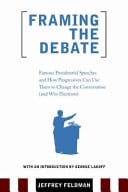
How Progressives can “frame” language to take control of the political debate.
My Summary
Main Ideas, Takeaways & Similarities
Questions
I. What is the problem?
A. How is this problem formulated?
B. Why is this problem important?
C. What is the history of this problem?
D. Which prominent personalities have been interested in this problem?
II. What solutions to the problem are there?
A. What are the conclusions reached?
B. By what argument(s) is the conclusion reached?
C. What facts or assumptions serve as premises?
D. When a prominent personality offers a solution, does he also argue for or against other prominent personalities? Does he raise objections to alternative solutions? Does he consider objections to his own solutions?
III. Evaluation
A. What are the advantages and disadvantages of the alternative formulations to the problem?
B. Has the importance or history of the problem ever been misrepresented?
C. Are the solutions logically related to the premises?
D. Are the facts true? Are the assumptions acceptable? Are the objections answerable?
AI Summary
“Framing the Debate: Famous Presidential Speeches and How Progressives Can Use Them to Change the Conversation” by Jeffrey Feldman is a book that examines historical presidential speeches and offers insights on how progressives can use framing techniques to influence public opinion and policy debates. Here’s a comprehensive summary in bullet points:
- Title: Framing the Debate: Famous Presidential Speeches and How Progressives Can Use Them to Change the Conversation
- Author: Jeffrey Feldman
Introduction:
- Sets the context for the book’s exploration of the power of framing in political discourse.
- Emphasizes the importance of understanding how language shapes public perception.
Chapter 1: Framing the Debate: A Primer:
- Defines the concept of framing in political communication.
- Discusses the role of framing in shaping public opinion and policy outcomes.
Chapter 2: The Power of Framing: Lessons from the Masters:
- Examines famous presidential speeches, including those by Franklin D. Roosevelt, John F. Kennedy, and Ronald Reagan.
- Analyzes how these speeches effectively framed issues and influenced public opinion.
Chapter 3: Speaking Progressive: Framing for the Future:
- Explores how progressives can learn from historical examples of effective framing.
- Offers guidance on framing progressive messages to resonate with a broader audience.
Chapter 4: The Conservative Echo Chamber: Framing Gone Wrong:
- Analyzes the conservative framing strategies that have shaped political discourse.
- Highlights the impact of framing on policy decisions and public perception.
Chapter 5: The Progressive Echo Chamber: Challenges and Opportunities:
- Discusses the challenges faced by progressives in framing their messages.
- Offers strategies for breaking out of the progressive echo chamber and reaching a wider audience.
Chapter 6: Talk the Talk: Progressive Language in Action:
- Provides practical examples of progressive framing in action.
- Illustrates how specific language choices can shape the conversation.
Chapter 7: The Power of Meta-Narratives: The Frameworks that Change the World:
- Explores the concept of meta-narratives and their role in shaping public discourse.
- Discusses how progressives can develop and deploy powerful meta-narratives.
Chapter 8: Progressive Framing in the Real World:
- Examines case studies of progressive framing efforts in various policy areas, including healthcare and climate change.
- Analyzes the successes and challenges of these efforts.
Chapter 9: Framing for the Future: A Progressive Agenda:
- Proposes a progressive policy agenda framed to resonate with a broad spectrum of the American public.
- Discusses the potential impact of reframing key issues.
Chapter 10: Conclusion: The Art and Science of Framing:
- Summarizes the key concepts and strategies presented in the book.
- Encourages progressives to embrace framing as a tool for effecting change.
Legacy:
- “Framing the Debate” by Jeffrey Feldman offers a comprehensive exploration of framing techniques in political discourse.
- It provides historical examples of effective framing and offers practical guidance for progressives to shape their messaging and influence public opinion.
- The book serves as a resource for those interested in political communication and advocacy, offering insights into the power of language and framing in shaping the conversation on important issues.