
DESCRIPTION
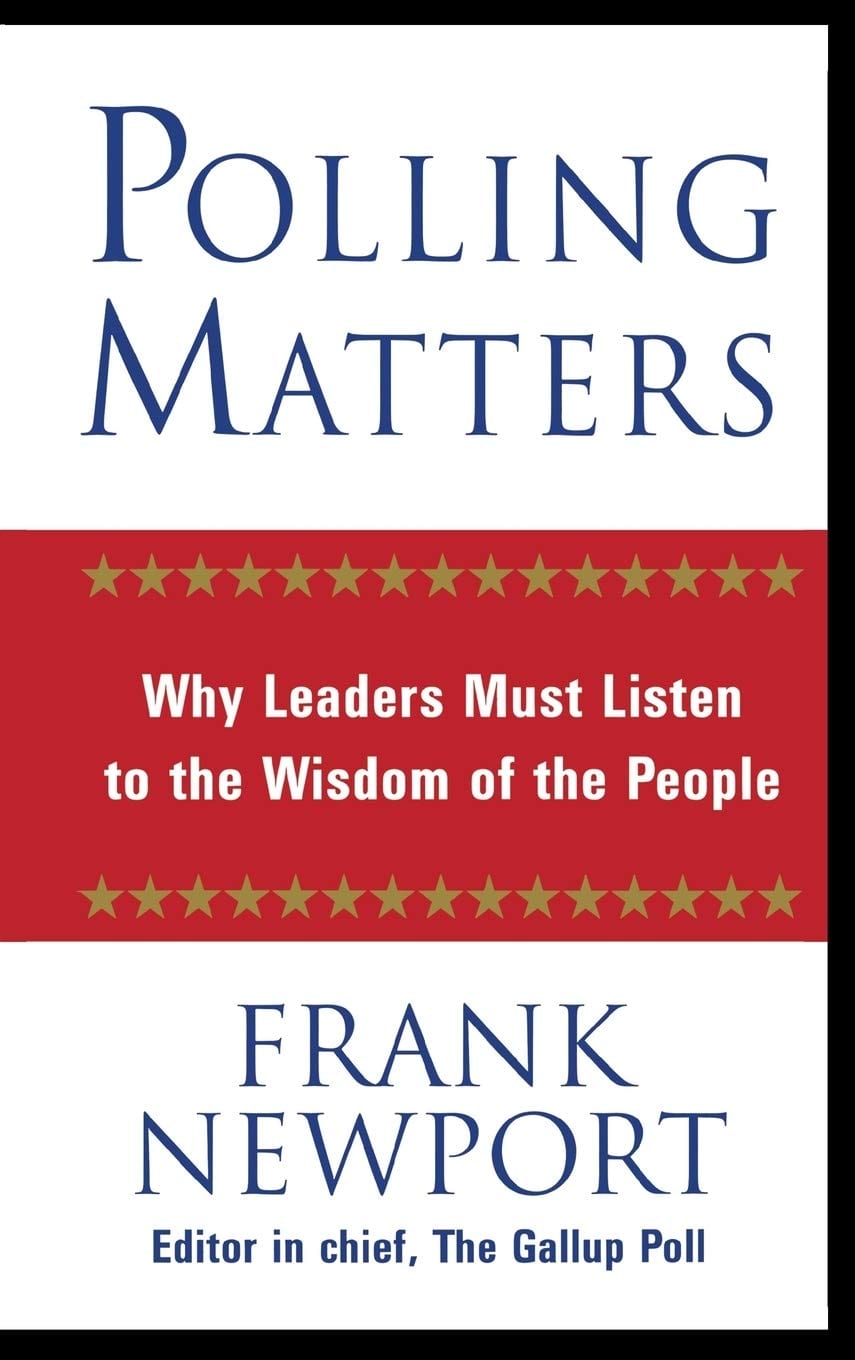
From The Gallup Organization-the most respected source on the subject-comes a fascinating look at the importance of measuring public opinion in modern society. For years, public-opinion polls have been a valuable tool for gauging the positions of American citizens on a wide variety of topics. Polling applies scientific principles to understanding and anticipating the insights, emotions, and attitudes of society. Now in POLLING MATTERS: Why Leaders Must Listen to the Wisdom of the People, The Gallup Organization reveals: What polls really are and how they are conducted Why the information polls provide is so vitally important to modern society today How this valuable information can be used more effectively and more…
My Summary
Main Ideas, Takeaways & Similarities
Questions
I. What is the problem?
A. How is this problem formulated?
B. Why is this problem important?
C. What is the history of this problem?
D. Which prominent personalities have been interested in this problem?
II. What solutions to the problem are there?
A. What are the conclusions reached?
B. By what argument(s) is the conclusion reached?
C. What facts or assumptions serve as premises?
D. When a prominent personality offers a solution, does he also argue for or against other prominent personalities? Does he raise objections to alternative solutions? Does he consider objections to his own solutions?
III. Evaluation
A. What are the advantages and disadvantages of the alternative formulations to the problem?
B. Has the importance or history of the problem ever been misrepresented?
C. Are the solutions logically related to the premises?
D. Are the facts true? Are the assumptions acceptable? Are the objections answerable?
AI Summary
Highlights
“Polling Matters: Why Leaders Must Listen to the Wisdom of the People” is a book written by Frank Luntz, published in 2017. The book explores the importance of public opinion polling and its role in shaping political decision-making and leadership. Here is a comprehensive summary of the book in bullet points:
- The book emphasizes the significance of polling as a tool for understanding public opinion and sentiment.
- Frank Luntz discusses the evolution of polling techniques and their increasing relevance in modern politics and leadership.
- He explores the role of polling in shaping policy decisions, political campaigns, and communication strategies for leaders and organizations.
- The book highlights the value of listening to the views and concerns of the public and using polling data to inform decision-making.
- Luntz provides examples of how polling has been used successfully by leaders to gauge public support and respond to changing attitudes.
- He discusses the challenges of accurate polling, including sampling methods, question wording, and potential biases.
- The book delves into the impact of social media and digital technology on the practice of polling and communication with the public.
- Luntz addresses the importance of effective communication and messaging in politics and leadership, drawing on insights from polling data.
- He explores the role of authenticity, empathy, and transparency in connecting with the public and building trust.
- The book provides case studies of leaders who have used polling effectively to navigate complex issues and make informed decisions.
- Luntz emphasizes the need for leaders to be responsive to the concerns and priorities of the people they serve.
- He discusses the potential pitfalls of ignoring public opinion and the consequences for leadership and governance.
- The book offers practical advice and guidelines for leaders on how to use polling data effectively to engage with the public and make informed decisions.
- Luntz reflects on the broader implications of polling for democracy and the role of citizens in shaping the direction of their communities and countries.
- The book concludes by advocating for a more thoughtful and data-driven approach to leadership that incorporates the wisdom of the people as reflected in polling data.
“Polling Matters: Why Leaders Must Listen to the Wisdom of the People” underscores the importance of polling as a tool for leaders to understand and respond to public opinion. Frank Luntz’s book provides insights into the role of polling in modern politics and leadership, highlighting the value of effective communication and responsiveness to the concerns of the people. It offers practical guidance for leaders on how to use polling data to inform decision-making and engage with the public effectively.