DESCRIPTION
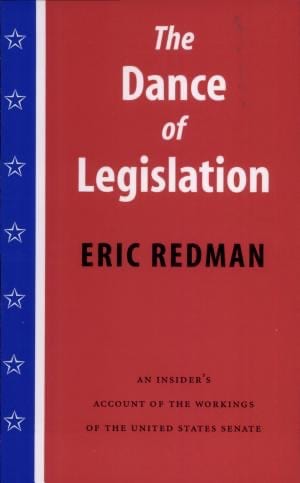
A classic description of the legislative process, tracing the drafting and passing of a single piece of legislation with all the maneuvering, frustrations, and triumphs involved.
My Summary
Main Ideas, Takeaways & Similarities
Questions
I. What is the problem?
A. How is this problem formulated?
B. Why is this problem important?
C. What is the history of this problem?
D. Which prominent personalities have been interested in this problem?
II. What solutions to the problem are there?
A. What are the conclusions reached?
B. By what argument(s) is the conclusion reached?
C. What facts or assumptions serve as premises?
D. When a prominent personality offers a solution, does he also argue for or against other prominent personalities? Does he raise objections to alternative solutions? Does he consider objections to his own solutions?
III. Evaluation
A. What are the advantages and disadvantages of the alternative formulations to the problem?
B. Has the importance or history of the problem ever been misrepresented?
C. Are the solutions logically related to the premises?
D. Are the facts true? Are the assumptions acceptable? Are the objections answerable?
AI Summary
Highlights
“The Dance of Legislation” is a book written by Eric Redman, first published in 1973. The book provides an insider’s perspective on the legislative process in the United States Congress. Here is a comprehensive summary of the book in bullet points:
- “The Dance of Legislation” offers a firsthand account of the legislative process in the U.S. Congress, as experienced by the author, Eric Redman.
- The book focuses on Redman’s time as a legislative assistant to Senator Warren G. Magnuson of Washington State during the early 1970s.
- Redman provides insights into the day-to-day workings of Congress, including the complexities of crafting, amending, and passing legislation.
- He describes the various stages of the legislative process, from the initial idea for a bill to its final passage or rejection.
- Redman discusses the role of congressional committees in shaping and vetting legislation and the influence of interest groups and lobbyists in the process.
- The book highlights the challenges and obstacles faced by legislators, including the need to build coalitions, negotiate compromises, and navigate the political dynamics of Capitol Hill.
- Redman offers anecdotes and stories that illustrate the personal and interpersonal aspects of congressional work, including interactions with colleagues, staff, and constituents.
- He provides a behind-the-scenes look at the pressures, long hours, and high-stakes negotiations that characterize life on Capitol Hill.
- Redman reflects on the importance of persistence, strategy, and compromise in achieving legislative goals.
- The book also touches on broader political and societal issues of the time, such as civil rights, environmental protection, and healthcare.
- Redman emphasizes the significance of citizen engagement and activism in influencing the legislative process.
- He provides a candid portrayal of the challenges and frustrations that come with working in Congress, as well as the sense of accomplishment and impact that can be achieved.
- “The Dance of Legislation” offers readers a rare glimpse into the inner workings of Congress and the intricate dance of politics, policymaking, and lawmaking.
- The book concludes with reflections on the nature of democracy and the role of individuals in shaping the course of government.
“The Dance of Legislation” provides a unique and informative perspective on the legislative process in the U.S. Congress. Eric Redman’s personal experiences and anecdotes offer readers a deeper understanding of the complexities, challenges, and rewards of working in the world of politics and policymaking. It also underscores the importance of civic engagement and advocacy in influencing the decisions made by elected representatives.