DESCRIPTION
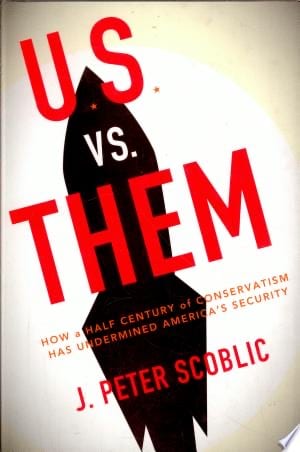
Evaluates the formidable consequences of the Bush administration’s conservative foreign policy on national security, tracing the path of conservatism throughout the past half century while making sobering predictions about the nation’s vulnerability to nuclear terrorism.
My Summary
Main Ideas, Takeaways & Similarities
Questions
I. What is the problem?
A. How is this problem formulated?
B. Why is this problem important?
C. What is the history of this problem?
D. Which prominent personalities have been interested in this problem?
II. What solutions to the problem are there?
A. What are the conclusions reached?
B. By what argument(s) is the conclusion reached?
C. What facts or assumptions serve as premises?
D. When a prominent personality offers a solution, does he also argue for or against other prominent personalities? Does he raise objections to alternative solutions? Does he consider objections to his own solutions?
III. Evaluation
A. What are the advantages and disadvantages of the alternative formulations to the problem?
B. Has the importance or history of the problem ever been misrepresented?
C. Are the solutions logically related to the premises?
D. Are the facts true? Are the assumptions acceptable? Are the objections answerable?
AI Summary
Highlights
“U.S. Versus Them: How a Half-Century of Conservatism Has Undermined America’s Security” is a book written by J. Peter Scoblic, published in 2008. The book offers a critical examination of conservative ideology and its impact on American foreign policy and national security. Here is a comprehensive summary of the book in bullet points:
- The book argues that conservative ideology, particularly as it evolved over the past half-century, has had a detrimental effect on America’s security and foreign policy.
- J. Peter Scoblic explores the origins and development of conservative thinking, emphasizing the influence of figures like Barry Goldwater and Ronald Reagan in shaping modern conservative ideology.
- He contends that conservatism has often prioritized ideology over pragmatic foreign policy, leading to a series of decisions that have undermined America’s global standing and security.
- The book critiques the conservative approach to the Cold War, arguing that it often favored aggressive policies, such as military interventions and nuclear proliferation, over diplomatic solutions.
- Scoblic highlights how conservative ideology contributed to the arms race during the Cold War and heightened the risk of nuclear conflict.
- He discusses the conservative stance on international agreements and institutions, emphasizing the reluctance to engage in multilateral diplomacy and support international treaties.
- The author explores the impact of conservative policies on the Middle East, including the U.S. support for authoritarian regimes and military interventions.
- Scoblic contends that conservative foreign policy decisions, such as the invasion of Iraq in 2003, have had far-reaching consequences, including destabilizing the region and contributing to global terrorism.
- He examines the conservative approach to environmental issues, arguing that skepticism toward climate change and environmental regulations has global security implications.
- The book also discusses the influence of conservative think tanks and media in shaping public opinion and policy decisions related to foreign affairs.
- Scoblic contends that conservatism’s focus on unilateralism and military solutions has eroded America’s alliances and weakened its ability to address global challenges effectively.
- The author calls for a reevaluation of America’s foreign policy and national security approach, emphasizing the importance of diplomacy, multilateralism, and cooperation in addressing complex global issues.
- “U.S. Versus Them” concludes by urging a more balanced and pragmatic approach to national security and foreign policy that prioritizes America’s long-term interests and global stability.
Overall, the book offers a critical perspective on the impact of conservatism on America’s national security and foreign policy decisions over the past decades. It challenges some of the prevailing ideologies and policies, advocating for a more nuanced and cooperative approach to global challenges.