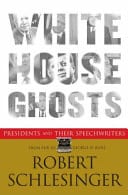
DESCRIPTION
Schlesinger offers an original and illuminating way to understand the modern presidents by examining how, and how closely, they worked with the men and women who wrote their memorable speeches and helped them find the words to define themselves. of b&w photographs.
My Summary
Main Ideas, Takeaways & Similarities
Questions
I. What is the problem?
A. How is this problem formulated?
B. Why is this problem important?
C. What is the history of this problem?
D. Which prominent personalities have been interested in this problem?
II. What solutions to the problem are there?
A. What are the conclusions reached?
B. By what argument(s) is the conclusion reached?
C. What facts or assumptions serve as premises?
D. When a prominent personality offers a solution, does he also argue for or against other prominent personalities? Does he raise objections to alternative solutions? Does he consider objections to his own solutions?
III. Evaluation
A. What are the advantages and disadvantages of the alternative formulations to the problem?
B. Has the importance or history of the problem ever been misrepresented?
C. Are the solutions logically related to the premises?
D. Are the facts true? Are the assumptions acceptable? Are the objections answerable?
AI Summary
Highlights
“White House Ghosts: Presidents and Their Speechwriters” is a book written by Robert Schlesinger, published in 2008. The book delves into the intricate relationships between U.S. presidents and their speechwriters, shedding light on how presidential speeches are crafted and delivered. Here is a comprehensive summary of the book in bullet points:
- The book explores the role of presidential speechwriters in crafting speeches and shaping the rhetoric of American presidents throughout history.
- Robert Schlesinger discusses the dynamic and sometimes complex relationships between presidents and their speechwriters, highlighting the importance of trust and collaboration.
- The book profiles various speechwriters and their contributions to presidential speeches, providing insight into their backgrounds, writing styles, and influences.
- It covers key moments in U.S. history when presidential speeches played a significant role in shaping public opinion and policy decisions.
- Schlesinger examines the different approaches to speechwriting, including the use of speechwriters as anonymous scribes and the practice of presidents actively engaging in the writing process.
- The book delves into the challenges speechwriters face in capturing the president’s voice and conveying their vision while addressing the needs of various audiences.
- It discusses the influence of presidential speeches on domestic and foreign policy, as well as their impact on public perception and presidential legacies.
- Schlesinger explores the evolving role of speechwriters in the modern era, particularly in the age of mass media, televised speeches, and social media.
- The book highlights the ethical considerations and ethical dilemmas faced by speechwriters when crafting speeches that align with presidential agendas.
- It offers anecdotes and behind-the-scenes stories about the creation of iconic speeches, such as Abraham Lincoln’s Gettysburg Address, Franklin D. Roosevelt’s Fireside Chats, and John F. Kennedy’s inaugural address.
- Schlesinger discusses the power of presidential rhetoric in times of crisis, including during wars, economic downturns, and national tragedies.
- The book also covers the emergence of speechwriting as a profession, with speechwriters becoming recognized experts in crafting persuasive and impactful speeches.
- It examines the impact of technology on speechwriting, from the advent of the teleprompter to the use of digital tools in modern speechwriting.
- Schlesinger concludes by reflecting on the enduring importance of presidential speeches as a means of communication, persuasion, and leadership in American politics.
“White House Ghosts” provides a comprehensive exploration of the art and craft of presidential speechwriting, offering insights into the relationships between presidents and their speechwriters, the historical significance of speeches, and the evolving role of speechwriters in shaping American politics and policy.