Cross → Qing extermination of the Zunghars, 1755–58 — how the territory was emptied, resettled, and named “New Frontier.” Verified against Perdue and Millward, both on the NAS.
⬅️ Hub: China · Previous: China - Xi Jinping · Next: Taiwan
Historical, demographic, religious, human-rights, security, and terrorism notes on Xinjiang. For the Qing conquest, Dzungar destruction, repopulation, and the Bingtuan as a settler institution, see China - Colonialism and Settler Colonialism > Xinjiang — the clearest present-day case.
Xinjiang
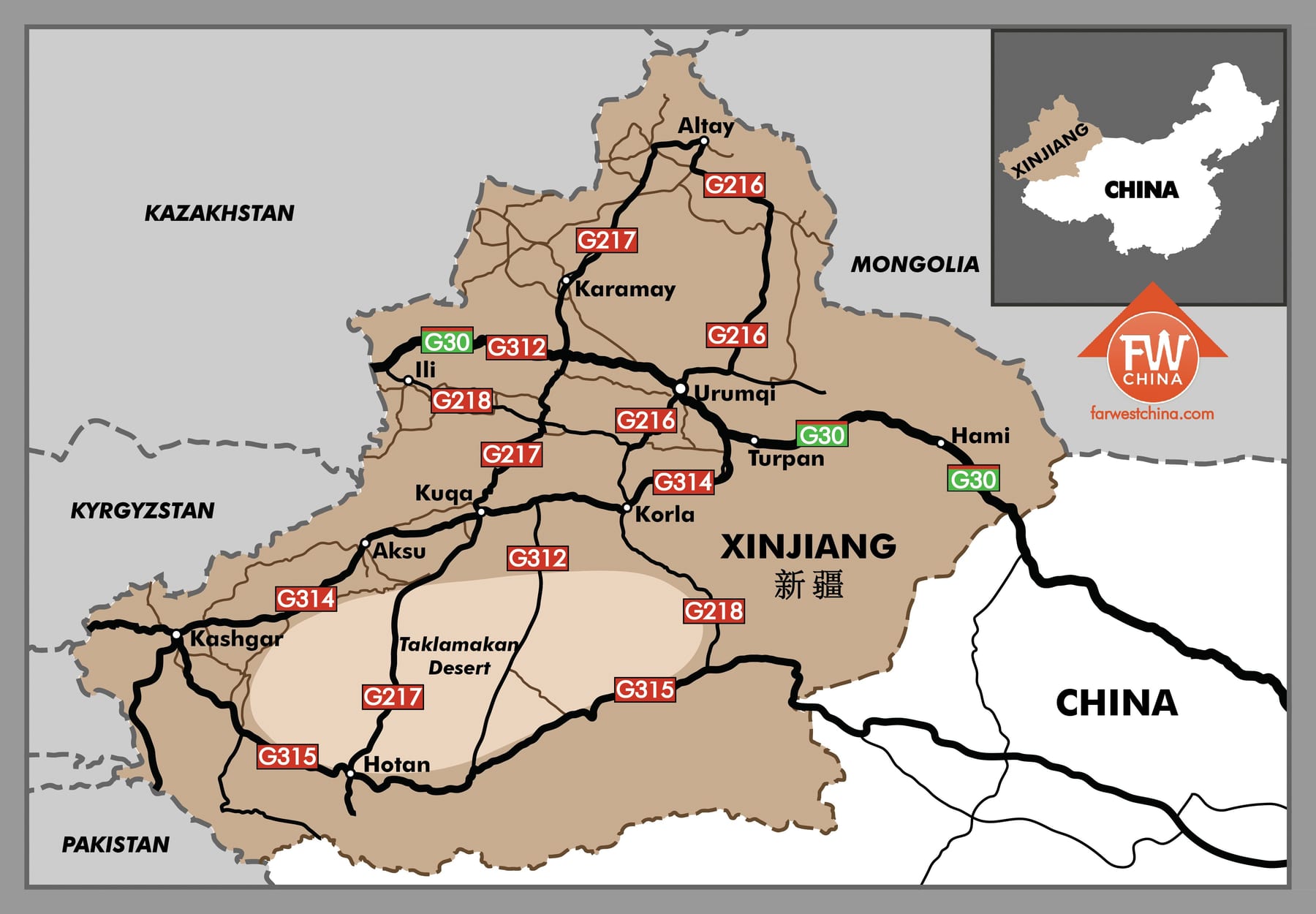
🕰️ Historical Background
- Ancient and Medieval Periods: Xinjiang, historically known as the “Western Regions” (Xiyu), was incorporated into the Han dynasty’s domain in 60 BCE. Over subsequent centuries, control of the region shifted among various powers, including the Tang dynasty, Turkic khanates, and the Tibetan Empire. The area became a nexus of cultural and religious exchange along the Silk Road. Wikipedia
- Islamization: By the 10th century, Islam had become the dominant religion in the region, particularly under the rule of the Turkic Kara-Khanid Khanate. Wikipedia
- Qing Dynasty and Republic of China: The Qing dynasty established control over Xinjiang in the mid-18th century, officially naming it “Xinjiang” (“New Frontier”) in 1884. During the early 20th century, the region experienced periods of autonomy and conflict, including the short-lived East Turkestan Republics. Wikipedia
- People’s Republic of China: Following the establishment of the People’s Republic of China in 1949, Xinjiang was designated as an autonomous region in 1955. The central government implemented policies aimed at integrating the region more closely with the rest of China, including economic development initiatives and migration programs. Encyclopedia Britannica
👥 Population and Demographics
- Total Population: As of the 2020 census, Xinjiang’s population was approximately 25.85 million. Consulate General of China in Toronto+3Radio Free Asia+3CGTN News+3
- Ethnic Composition:
- Uyghurs: Approximately 44.96% of the population.
- Han Chinese: Approximately 42.24%.
- Other Ethnic Groups: Including Kazakhs, Hui, Kyrgyz, and others, making up the remaining percentage. Wikipedia
- Population Growth: The Uyghur population increased from 3.61 million in 1953 to 11.62 million in 2020. Radio Free Asia
🕌 Religious Composition
- Islam: The predominant religion among Uyghurs, Kazakhs, and other Turkic minorities. Amnesty International+1Wikipedia+1
- Christianity: Estimates suggest that about 3.77% of Xinjiang’s population identifies as Christian. Wikipedia
- Other Religions: Buddhism, Taoism, and traditional folk religions are also present, particularly among other ethnic groups.
🚨 Human Rights Concerns and Uyghur Repression
Since 2017, numerous reports have emerged detailing human rights abuses against Uyghurs and other Muslim minorities in Xinjiang:Amnesty International+1Wikipedia+1
- Mass Detentions: Over a million individuals have been detained in so-called “reeducation camps,” where they are subjected to political indoctrination, forced labor, and, in some cases, abuse. Council on Foreign Relations
- Surveillance: The region is heavily monitored through advanced surveillance technologies, including facial recognition cameras and mobile phone tracking.
- Cultural and Religious Suppression: Authorities have imposed restrictions on religious practices, destroyed mosques, and prohibited traditional customs.
- Forced Labor: Reports indicate that Uyghurs have been compelled to work in factories under coercive conditions, contributing to global supply chains. AP News
- International Response: Several countries and human rights organizations have labeled China’s actions in Xinjiang as crimes against humanity or genocide. DOL+7AP News+7ushmm.org+7
For a more in-depth understanding, you may refer to the following resources:
-
Families separated
-
Only learn Mandarin, not Uyghur language
-
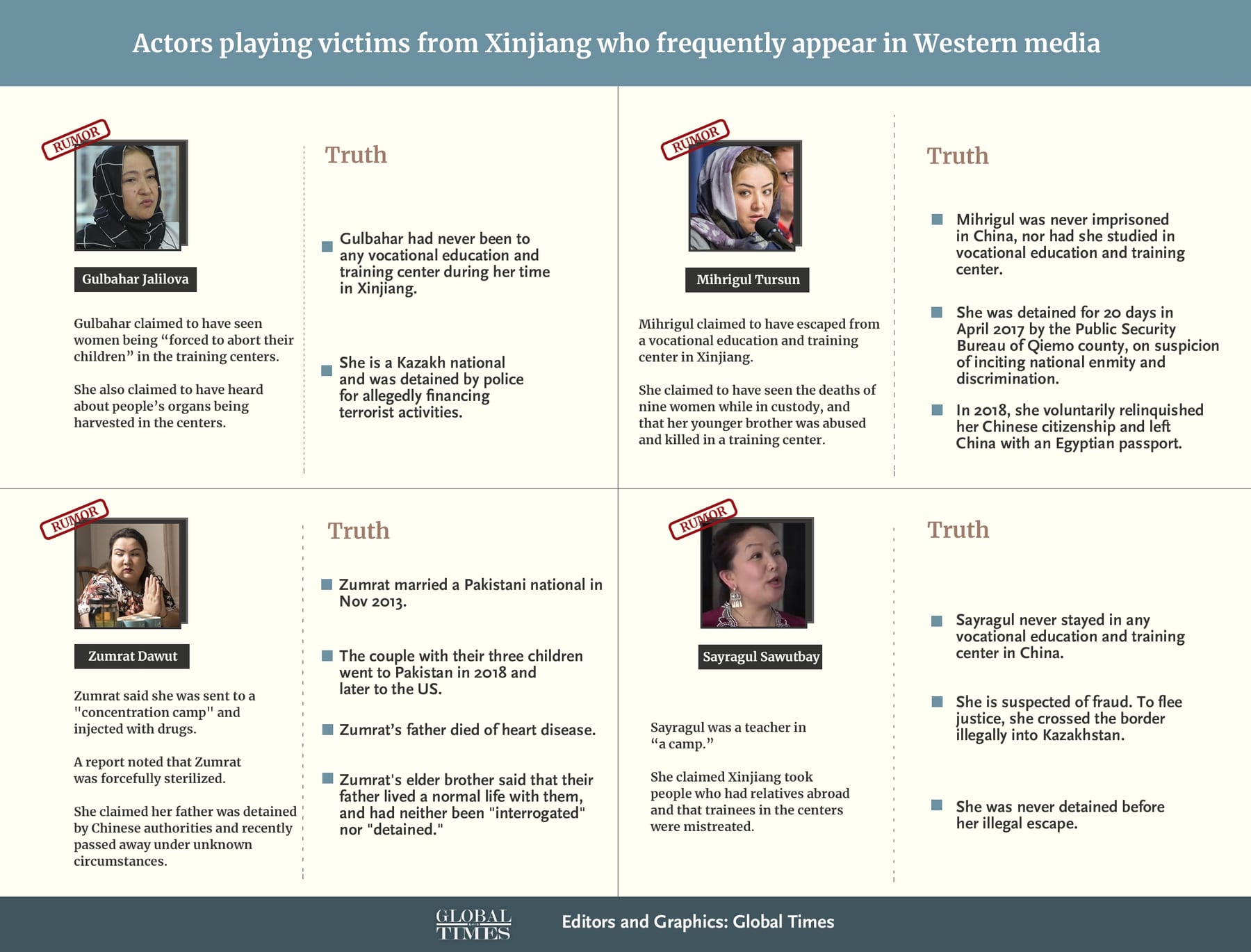
Torture in camps
-
Woman describes torture, beatings in Chinese detention camp | AP News
- Got her own brother to denounce her (common practice)
-
-
China, the U.S. & the Rise of Xi Jinping (full documentary) | FRONTLINE - YouTube
- Counters questions about treatment while saying it stopped terrorism with saying, “How many people died in Iraq and Afghanistan by the U.S.”
- Agreed that there may be a better way, that some human rights were violated, which can’t be avoided.
-
80,000 detainers forced to work across China
Terrorist Attacks
🚨 Notable Attacks Attributed to Uyghur Militants
- 1997 Ürümqi Bus Bombings
- Date: February 1997
- Location: Ürümqi, Xinjiang
- Details: A series of bus bombings killed nine people and injured 68. Uyghur exile groups claimed responsibility. Council on Foreign Relations+4Wikipedia+4Wikipedia+4Wikipedia+4Council on Foreign Relations+4Wikipedia+4Wikipedia+2Wikipedia+2Wikipedia+2
- 2008 Kashgar Attack
- Date: August 4, 2008
- Location: Kashgar, Xinjiang
- Details: Two men attacked border police with explosives and knives, killing 17 officers. Time+2Wikipedia+2Time+2
- 2009 Ürümqi Riots
- Date: July 5, 2009
- Location: Ürümqi, Xinjiang
- Details: Ethnic riots resulted in 197 deaths and over 1,700 injuries. Council on Foreign Relations+4Wikipedia+4Wikipedia+4Wikipedia+4Council on Foreign Relations+4Wikipedia+4
- 2011 Hotan Attack
- Date: July 18, 2011
- Location: Hotan, Xinjiang
- Details: A group stormed a police station, killing two security personnel and taking hostages. Fourteen attackers were killed by police. Wikipedia+4Wikipedia+4Wikipedia+4Time+4Wikipedia+4Wikipedia+4
- 2012 Yecheng Attack
- Date: February 28, 2012
- Location: Yecheng, Xinjiang
- Details: Eight men attacked pedestrians with knives, resulting in 13 civilian deaths. War on the Rocks+4Wikipedia+4Time+4
- 2013 Tiananmen Square Attack
- Date: October 28, 2013
- Location: Beijing
- Details: A car crashed and exploded in Tiananmen Square, killing five and injuring dozens. The Turkistan Islamic Party claimed responsibility. Wikipedia+3Wikipedia+3Time+3Wikipedia+2Wikipedia+2Wikipedia+2
- 2014 Kunming Railway Station Attack
- Date: March 1, 2014
- Location: Kunming, Yunnan
- Details: Eight attackers with knives killed 31 people and injured over 140. Wikipedia+2Wikipedia+2Time+2Wikipedia+2Fondapol+2Wikipedia+2Wikipedia+1Wikipedia+1
- 2014 Ürümqi Railway Station Attack
- Date: April 30, 2014
- Location: Ürümqi, Xinjiang
- Details: A knife and bomb attack at the railway station killed three and injured 79. Wikipedia+4Wikipedia+4Wikipedia+4Time+1Time+1
- 2014 Ürümqi Market Attack
- Date: May 22, 2014
- Location: Ürümqi, Xinjiang
- Details: Two SUVs plowed into a market, and explosives were thrown, killing 43 and injuring over 90.
- 2014 Shache (Yarkand) Incident
- Date: July 28, 2014
- Location: Shache County, Xinjiang
- Details: Chinese authorities reported nearly 100 deaths in what they described as a terrorist attack; however, details remain disputed.
🧾 Context and Controversies
The Chinese government attributes these attacks to Uyghur separatist groups, particularly the East Turkestan Islamic Movement (ETIM), also known as the Turkistan Islamic Party. Beijing claims that ETIM has orchestrated over 200 terrorist attacks. Al Jazeera+7Wikipedia+7Time+7Combating Terrorism Center at West Point+1Time+1
However, international perspectives vary. In 2020, the U.S. removed ETIM from its list of terrorist organizations, citing a lack of credible evidence that the group continues to exist. Al Jazeera+1Combating Terrorism Center at West Point+1
Critics argue that China’s broad use of the term “terrorism” has been employed to justify extensive surveillance, mass detentions, and cultural repression of Uyghurs in Xinjiang. Reports indicate that over a million Uyghurs have been detained in re-education camps under the guise of counter-terrorism efforts.